
Demystifying Your Merchant Processing Statement
Learn how to navigate your monthly payment processing statement, identify common fees, and understand your actual costs for accepting card payments.
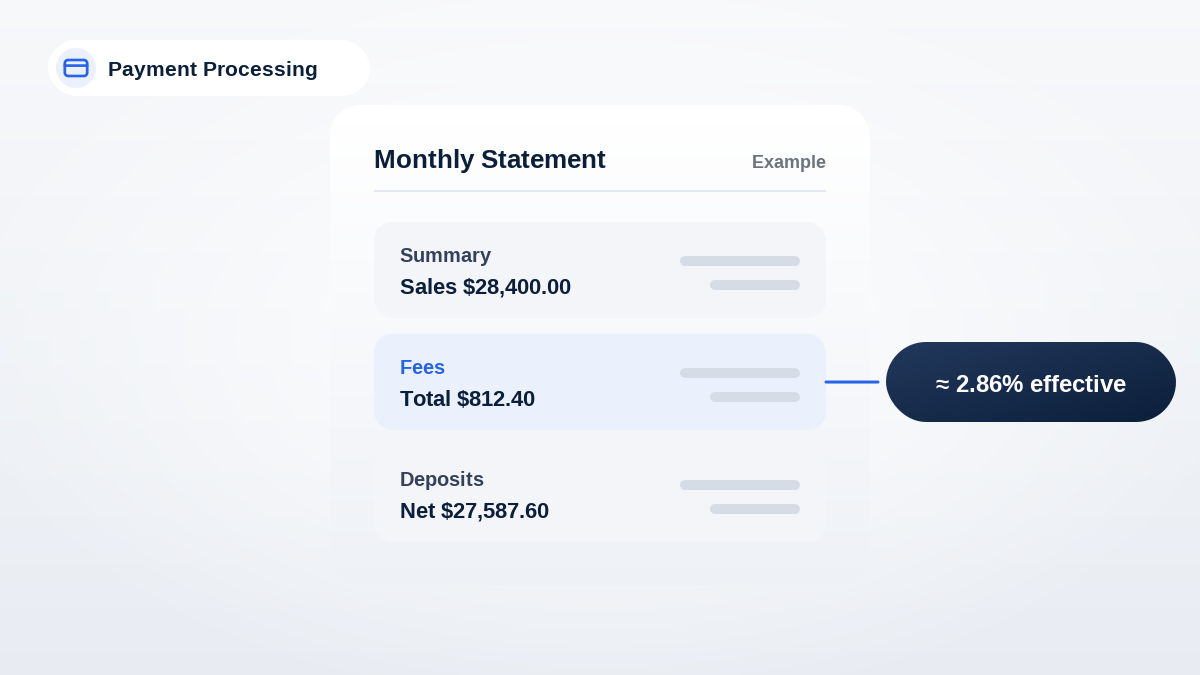
Understanding the Anatomy of a Statement
Your monthly merchant processing statement is a critical document for managing your business finances. However, the terminology and formatting can often feel overwhelming. By learning how to interpret these reports, you gain a clearer picture of your Credit Card Processing costs and how your business accepts revenue.
Most statements are divided into sections detailing your processing volume, the types of cards accepted, and the various fees applied by your processor and card networks. Understanding the difference between fixed fees and variable interchange costs is essential for effective budget management.
Decoding Pricing Models
One of the most important aspects of your statement is identifying your pricing structure. If you are on an Interchange-Plus Pricing model, you will see a breakdown of the specific interchange rates set by card brands, plus the markup charged by your provider. Other models, like tiered pricing, often bundle these costs, which can make it harder to see what you are actually paying for card brand assessments.
Transparent billing allows you to understand if your costs are reflective of your specific industry and transaction profile. If you have questions about your current setup, our team can provide a professional Statement Analysis to help you gain clarity.
Identifying Common Fees and Charges
Statements typically list several categories of fees. These include assessment fees paid to card networks, interchange fees, and processor-specific fees like gateway charges or monthly account fees. When reviewing your bill, look for line items that remain consistent month-to-month and those that fluctuate with your transaction volume.
It is also common to see charges related to Payment Equipment rentals or software subscriptions. Distinguishing between these operational costs and the variable cost of processing helps you evaluate the true value of your payment infrastructure.
The Importance of Transaction Reporting
Beyond just the fees, your statement provides a snapshot of your monthly performance. You should review your total processing volume, number of transactions, and the average ticket size. This data is vital for forecasting and verifying that your deposits match your internal sales records.
For more advanced insights, many merchants utilize an ONKORE Dashboard to access real-time reporting that goes beyond the static monthly document. This helps you track trends and manage your cash flow more effectively.
Taking Control of Your Payments
Reading your statement is the first step toward optimizing your processing environment. If you find the structure of your current fees unclear, don't hesitate to reach out for a conversation. Whether you need to update your POS Systems or simply want to understand your bill better, having the right partner is essential.
How We Can Help
If you are ready to move toward a more transparent relationship, we are here to support your business goals. You can Contact Sales to discuss your unique business needs or learn more about how we work with merchants in our Knowledge Center.