
ONKORE Payments Intelligence
SNAP EBT Modernization: A Merchant’s Guide to the Chip Card Transition
The USDA is modernizing SNAP EBT with chip technology to combat skimming fraud. Learn how to update your POS and ensure compliance for your retail business.
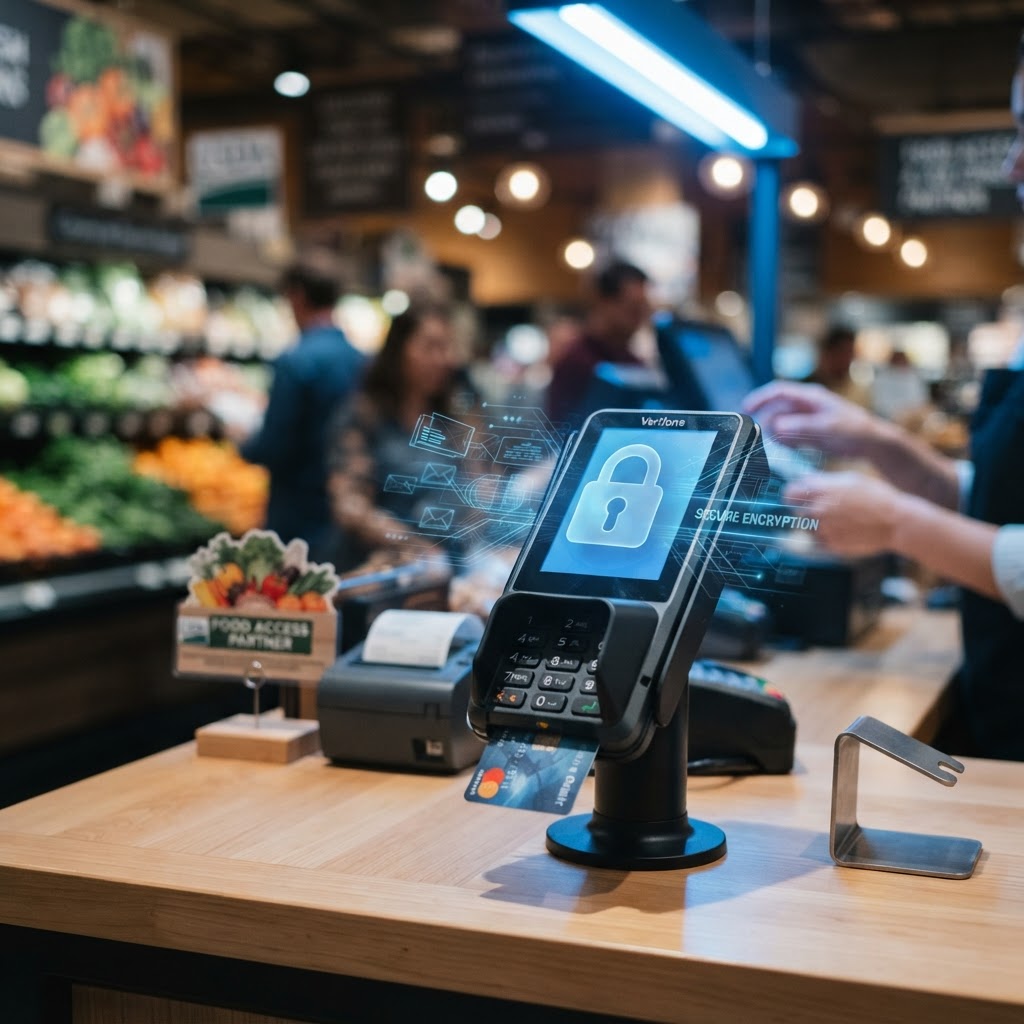
What Happened
SNAP EBT Modernization: A Merchant’s Guide to the Chip Card Transition
The transition from magnetic stripe to chip-enabled Electronic Benefits Transfer (EBT) cards represents one of the most significant security upgrades to the Supplemental Nutrition Assistance Program (SNAP) in decades. As skimming fraud continues to drain millions of dollars from vulnerable households, the USDA Food and Nutrition Administration (FNA)—formerly the Food and Nutrition Service (FNS)—is spearheading a modernization effort that requires immediate attention from US retailers. According to SNAP EBT Modernization | Food and Nutrition Administration, this shift is essential to protect both retailers and participants from the devastating impact of stolen benefits.
The Rising Threat of EBT Skimming
For years, EBT cards have relied exclusively on magnetic stripe technology, a legacy system that is highly susceptible to card skimming. Bad actors use hidden devices on Point of Sale (POS) terminals to capture card data and PINs, allowing them to clone cards and drain accounts. The scale of this problem is immense. Reports indicate that since 2023, over $94 million has been returned to SNAP beneficiaries nationwide to replace stolen benefits, as noted in SNAP Modernization & EBT Chip Cards.
By introducing chip technology, the USDA aims to bring EBT security in line with modern credit and debit card standards. Chip cards are significantly harder to copy because they generate a unique transaction code for every purchase, making cloned data useless for future transactions. As of August 28, 2024, the X9.58-2024 EBT standard was officially published, providing the technical framework for this nationwide transition SNAP EBT Modernization | Food and Nutrition Administration.
State-Level Rollouts and Interoperability
The implementation of EBT chip cards is occurring on a state-by-state basis, but the impact is national. Federal law requires that SNAP participants be able to use their cards at any authorized retailer in the country, regardless of which state issued the card. This means that even if your state has not yet begun issuing chip cards, you must be prepared to accept them from out-of-state customers SNAP EBT Modernization | Food and Nutrition Administration.
Several states are already leading the way:
- California: The California Department of Social Services is rolling out chip and tap technology starting in January 2026 SNAP merchants: Prepare for new 'chip and tap' cards - The.
- Alabama: The state has already begun issuing chip-enabled cards to its SNAP recipients Alabama launches chip-enabled EBT cards: What SNAP recipients should know.
- New York: Plans are in place to issue approximately two million chip-enabled cards starting in early 2026 New York state upgrading EBT cards with chip technology to protect SNAP benefits from theft.
- Oklahoma: The state is actively replacing legacy cards to improve security and has issued guidance for retailers to configure their POS systems accordingly EBT Retailers - Oklahoma.gov.
What Merchants Should Do
To ensure a seamless transition and maintain compliance with USDA regulations, retailers must take proactive steps to update their payment infrastructure. The following actions are recommended for all SNAP-authorized merchants:
1. Coordinate with POS Service Providers
Retailers should immediately contact their POS vendors or acquirers to confirm that their current hardware and software can support EBT chip (EMV) and contactless (tap) transactions. According to SNAP EBT Chip Card Technical Resources, these resources are intended to support retailers in preparing for the move to chip-enabled cards.
2. Enable Service Code 220
One of the most critical technical updates is the enablement of service code 220. This code allows POS terminals to process magnetic stripe transactions while the new chip features are being phased in. Failure to enable this code could result in declined transactions for customers using the new cards SNAP merchants: Prepare for new 'chip and tap' cards - The.
3. Update Staff Training
Store associates must be trained on the new transaction flow. Customers with chip-enabled EBT cards should be encouraged to insert or tap their card first. If the chip is unreadable, the system may allow a fallback to a magnetic stripe swipe, but the chip should always be the primary method of entry Retailer Instructions for SNAP EBT Chip Card Transactions at Point of Sale | Food and Nutrition Administration.
4. Monitor State Progress
Retailers located in states bordering those that have already implemented chip cards (such as those near Alabama or California) should be especially vigilant. The USDA notes that bordering states will see an immediate increase in chip card usage as participants travel across state lines SNAP EBT Modernization | Food and Nutrition Administration.
ONKORE Perspective
At ONKORE, we view the SNAP EBT modernization effort as a vital step toward a more secure and equitable payments ecosystem. For merchants, this transition is not just a compliance requirement; it is a strategic opportunity to reduce fraud-related disputes and enhance customer trust. While the technical updates may seem daunting, the long-term benefits of moving away from vulnerable magnetic stripe technology are clear. By adopting EMV standards for EBT, retailers are protecting their most vulnerable customers and safeguarding their own business operations from the financial and reputational risks associated with card skimming. We recommend that all merchants treat this as a high-priority update for 2026 and beyond.
Conclusion
The shift to chip-enabled SNAP EBT cards is a necessary response to the evolving tactics of fraudsters. By following the USDA's technical guidance and working closely with payment providers, US merchants can ensure they are ready for the future of EBT. For more information, retailers can visit the SNAP EBT Modernization Technical Assistance Center for ongoing support and resources.
Trust & Sources
Reviewed by: ONKORE Payment Solutions editorial team
Published: September 12, 2026
Last updated: September 12, 2026
Source authority: USDA Food and Nutrition Administration