What Is a POS System?
A POS (point-of-sale) system is the hardware and software a business uses to accept payments and manage sales in person, often combining a terminal, software, inventory, and reporting in one platform.
Direct Answer
A POS (point-of-sale) system is the hardware and software a business uses to accept payments and manage sales in person, often combining a terminal, software, inventory, and reporting in one platform.
Direct Answer
A POS (point-of-sale) system is the combination of hardware and software a business uses to accept payments and record sales in person. Modern POS systems go beyond payment acceptance — they typically include sales reporting, inventory management, employee management, and customer tools, all running on a terminal, tablet, or computer.
How It Works
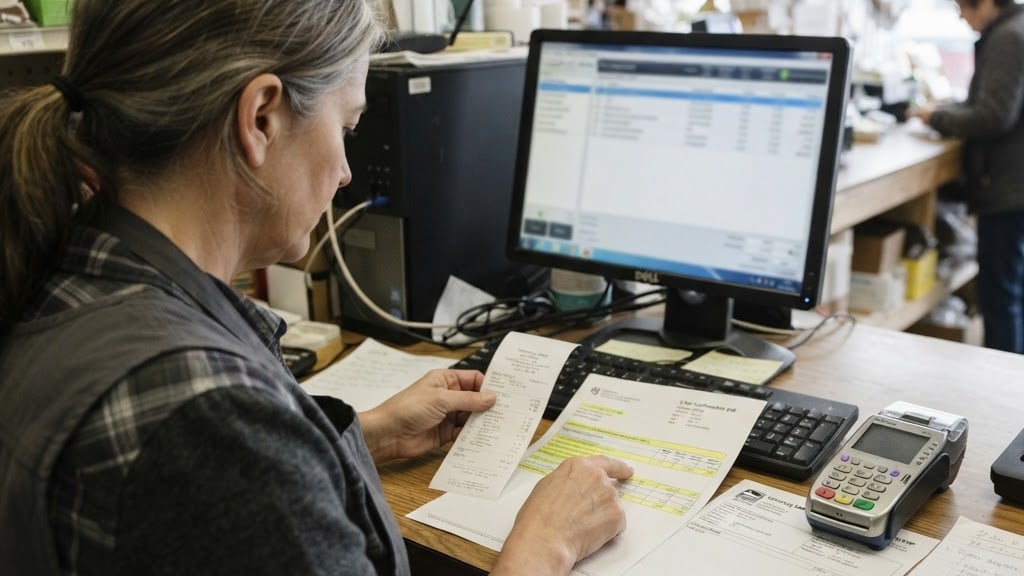
A POS system connects payment hardware (a terminal, card reader, or touchscreen device) with POS software that records each sale, applies tax, manages inventory, and prints or emails receipts. When a customer pays, the POS routes the transaction for authorization, settles it, and updates your sales and inventory records in real time.
Key Points
- A POS system combines payment acceptance with business-management software.
- Cloud-based POS platforms provide real-time reporting and multi-location support.
- POS systems can integrate inventory, staff, loyalty, and accounting tools.
- Choosing a POS depends on your industry, sales volume, and integration needs.
What Merchants Should Know
For most merchants, a POS is a long-term operational decision, not just a payment decision. Evaluate software features (inventory, reporting, integrations) alongside payment capabilities and rates. Industry-specific POS platforms (retail, restaurant) often fit workflows better than generic systems.